All About Hair Loss in Women | URoots
Reviewed by QHT Clinic
Know Your Hair Fall Before It Worsens
Identify early hairfall signs with personalised expert-backed recovery guidance.
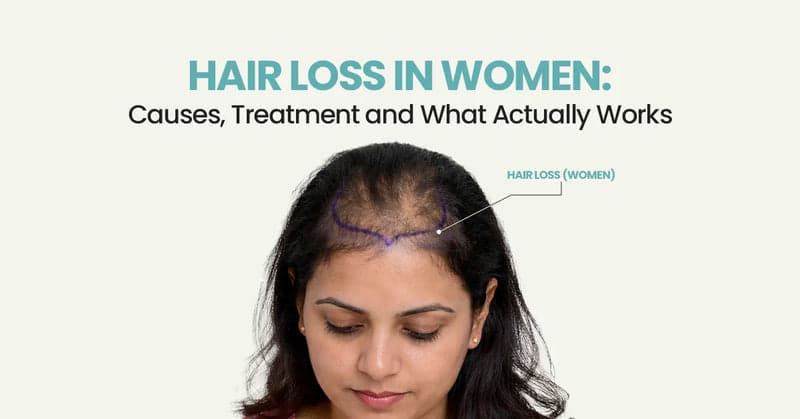
Hair loss in women is no longer occasional; it’s increasingly becoming a pattern seen across age groups in India. Whether it’s noticing excessive strands on your pillow, hair collecting in the shower drain, or a visible reduction in volume, these signs often indicate an underlying issue that needs attention. While hair fall may appear routine, it is rarely without a cause. In most cases, it reflects internal imbalances or external stressors affecting the natural hair growth cycle. Understanding these underlying factors is the first step toward effective management and treatment.
At URoots, we focus on identifying the exact cause behind hair thinning in women. Our approach is rooted in clinical evaluation, ensuring every patient receives a personalised and transparent treatment plan tailored to their condition. If you’re noticing persistent thinning, you can always reach out to our team for a professional consultation and the right guidance.
Quick Answer
Hair loss in women is typically caused by a combination of hormonal changes, nutritional deficiencies, stress, genetics, and medical conditions.
The most common contributors include:
Hormonal imbalances (PCOS, thyroid disorders, menopause)
Stress-related shedding (telogen effluvium)
Nutritional deficiencies (iron, protein, vitamins)
Genetic predisposition (female pattern hair loss)
Scalp conditions and inflammation
Unlike men, women usually experience diffuse thinning, widening of the part, and reduced overall density rather than a receding hairline.
How Do Women Commonly Experience Hair Loss?
Hair loss in women often presents differently than it does in men. Instead of sudden or clearly defined bald patches, the changes are usually gradual, subtle, and spread across the scalp. This can make it harder to recognise in the early stages, leaving many women unsure about when to seek help.
In most cases, it begins with small, barely noticeable shifts in hair density and volume. Over time, these changes may become more visible, especially during everyday activities like styling, washing, or parting the hair. Because the progression is often slow, it’s easy to dismiss these signs as temporary until they start affecting overall hair appearance and confidence.
Common signs women may notice include:
A widening of the middle part
A gradual reduction in overall hair volume
Diffuse thinning across the scalp rather than in one specific area
Decreased hair density, especially around the crown
Increased hair shedding during washing, brushing, or styling
Top 10 Causes of Hair Loss in Women
Understanding the root cause of hair loss is essential for choosing the right treatment. Hair thinning is often a symptom of an underlying imbalance, and identifying it early can help prevent further progression while improving long-term hair health.
1. Hormonal Imbalances
Hormones play a vital role in regulating the hair growth pattern. When this balance is disrupted, it can shorten the growth phase of hair and increase shedding, while also slowing down regrowth. For many women, hormonal fluctuations are one of the most common and overlooked reasons behind persistent thinning.
These imbalances can be triggered by several conditions, including:
PCOS (Polycystic Ovary Syndrome): Elevated androgen levels can weaken hair follicles, leading to gradual thinning, especially around the crown.
Menopause: A natural decline in oestrogen levels can result in reduced hair density and volume.
Insulin resistance: Often linked with metabolic conditions, it can indirectly affect hormonal balance and hair health.
Androgen imbalance: Increased sensitivity to androgens can contribute to pattern thinning in women.
2. Genetic Hair Loss (Female Pattern Hair Loss)
Genetic hair loss, also known as female pattern hair loss, occurs when hair follicles become increasingly sensitive to DHT (dihydrotestosterone). This sensitivity gradually weakens the follicles, shortening the hair regeneration cycle and affecting the quality of new hair. The process is usually slow and progressive, often becoming noticeable only after visible changes in volume and density.
This typically results in:
Thinner, finer hair strands over time
Gradual reduction in overall hair density
Slower and weaker hair regrowth
Progressive loss of volume, especially across the scalp
3. Stress (Telogen Effluvium)
Physical or emotional stress can disrupt the natural hair growth process by pushing a larger number of hair follicles into the resting (telogen) phase. This often results in noticeable shedding a few weeks or even months after the triggering event. While usually temporary, prolonged or repeated stress can make recovery slower and more noticeable.
Common triggers include:
Work-related or chronic stress
Poor sleep or irregular sleep patterns
Illness, infections, or high fever
Sudden or extreme weight loss
Emotional distress or major life changes
4. Nutritional Deficiencies
Nutritional deficiencies are one of the most significant contributors to hair loss among Indian women. Multiple national surveys and studies highlight the widespread prevalence of micronutrient gaps that directly impact hair health.
Key Statistics Specific to Women in India:
57% of women (aged 15–49 years) in India are anaemic
52.2% of pregnant women are anaemic
57.2% of non-pregnant women are anaemic
61% of breastfeeding women are anaemic
Anaemia is more prevalent in rural women (59%) compared to urban women (54%)
Among pregnant women in India:
67.7% have iron deficiency
26.3% have folate deficiency
74.1% have Vitamin B12 deficiency
16.2% have multiple micronutrient deficiencies simultaneously
Women with folate deficiency have a 2x higher risk of also having Vitamin B12 deficiency
In rural Indian populations:
Vitamin B12 deficiency is seen in 42.3% of individuals, with a higher prevalence in women aged 45–54 years
What This Means for Hair Loss in Women
These numbers clearly show that nutritional deficiencies are not occasional; they are highly prevalent among Indian women, especially during key life stages like:
Reproductive years
Pregnancy
Postpartum phase
Perimenopause
Since nutrients like iron, Vitamin B12, folate, and protein are essential for the hair growth cycle, deficiencies can lead to:
Increased hair shedding
Slower regrowth
Reduced hair density
Chronic thinning
5. Thyroid Disorders
Thyroid imbalances, both hypothyroidism and hyperthyroidism, can disrupt the hair renewal cycle by affecting metabolism and hormonal balance. This often leads to diffuse thinning across the scalp, along with changes in hair texture and density.
Women with thyroid imbalances may notice:
Diffuse thinning across the scalp
Dry, coarse, or brittle hair texture
Increased hair shedding during routine activities
6. Scalp Conditions
A healthy scalp provides the foundation for healthy hair growth. Conditions that cause inflammation, infection, or irritation can disrupt the scalp environment, weaken hair follicles, and interfere with normal growth cycles over time.
Common scalp issues include:
Dandruff (seborrheic dermatitis): Excess oil and inflammation can irritate the scalp, weakening follicles and increasing shedding.
Fungal infections: Infection of the scalp can damage hair roots, leading to patchy hair loss.
Psoriasis: Rapid skin cell turnover and inflammation can disrupt follicle function and hinder healthy growth.
Folliculitis: Inflammation or infection of hair follicles can weaken them, causing hair to fall out prematurely.
7. Postpartum Hair Loss
Postpartum hair loss is a common and temporary condition that occurs due to a sudden drop in oestrogen levels after childbirth. During pregnancy, higher oestrogen levels keep more hair in the growth phase, resulting in fuller-looking hair. After delivery, this balance shifts, causing a larger number of hair follicles to enter the shedding phase simultaneously.
This condition typically:
Begins around 2–4 months after delivery
Leads to noticeable but diffuse hair shedding
Is temporary and self-limiting in most cases
8. Tight Hairstyles (Traction Alopecia)
Traction alopecia is a form of hair loss caused by repeated tension on the hair roots over time. Constant pulling weakens the hair follicles, disrupts normal growth, and can eventually lead to permanent damage if not addressed early. This type of hair loss is particularly common among women due to frequent styling practices.
It typically affects areas under continuous strain, especially the hairline, temples, and edges, where the follicles are more sensitive. Early signs are often subtle and may be mistaken for general thinning.
Women may notice:
Gradual thinning around the hairline or temples
Increased breakage of shorter “baby hairs”
A widening or receding frontal hairline
Scalp sensitivity or mild discomfort in affected areas
Common triggers include:
Tight ponytails, buns, or braids
Hair extensions or weaves
Frequent use of styling tools that pull on the roots
Long-term use of tightly secured head coverings
9. Medications and Medical Treatments
Certain medications and medical treatments can interfere with the normal hair growth cycle, pushing a higher number of follicles into the shedding phase. This results in diffuse hair loss that may not be immediately linked to the medication, as the onset is often delayed.
Hair fall related to medications typically becomes noticeable a few weeks to a few months after starting treatment, making it important to review any recent changes in medication history when evaluating hair loss.
Common signs include:
Sudden increase in hair shedding
Diffuse thinning across the scalp
Hair loss that coincides with starting a new medication
Medications commonly associated with hair loss include:
Antidepressants
Hormonal treatments (including contraceptive pills)
Blood pressure medications
Blood thinners and certain acne treatments
10. Age-Related Hair Thinning
Age-related hair thinning is a natural, gradual process influenced by hormonal changes and reduced follicle activity over time. As women age, the hair growth cycle becomes less efficient, and follicles produce thinner, shorter, and weaker strands.
This change is particularly noticeable during perimenopause and menopause, when declining oestrogen levels affect hair density and overall volume.
Common changes include:
Progressive reduction in overall hair density
Finer, weaker hair strands
Slower regrowth after shedding
Increased visibility of the scalp, especially under bright light
Unlike sudden hair fall conditions, age-related thinning develops slowly and may overlap with other factors such as genetics, nutritional deficiencies, or hormonal imbalances.
Treatment Options for Hair Loss in Women
Treatment for hair loss in women depends on the underlying cause. A targeted, doctor-led approach ensures that the treatment is both effective and sustainable, rather than temporary or symptomatic.
Common treatment options include:
Medical treatments: Doctor-prescribed medications to control hair fall, regulate hormones, and stimulate regrowth
Nutritional correction: Addressing deficiencies through diet, supplements, and guided nutritional plans
PRP (Platelet-Rich Plasma) therapy: Uses your own growth factors to strengthen hair follicles and improve density
DHT-blocking therapies: Helps slow down genetic hair loss by reducing the effect of androgens on hair follicles
Scalp treatments: Targeted therapies to treat dandruff, infections, or inflammation affecting hair growth
Lifestyle modifications: Improving sleep, reducing stress, and avoiding damaging hair practices
Hair transplant procedures: Advanced solution for stable, long-standing hair loss with visible thinning
Post-transplant care: Structured follow-up and maintenance to ensure optimal results and long-term hair survival
A combination of these treatments is often recommended based on individual diagnosis, ensuring a comprehensive and personalised approach to hair restoration.
How Can Hair Loss in Women Be Managed?
Managing hair loss effectively requires a structured, step-by-step approach rather than trial-and-error. Instead of relying on generic solutions, the focus should be on consistent, targeted actions that support healthy hair regrowth over time.
What actually helps:
Start with a clinical diagnosis: Avoid self-treatment. A proper evaluation helps identify the exact trigger and prevents unnecessary delays.
Check key blood parameters: Test for iron, Vitamin B12, Vitamin D, and thyroid levels, as deficiencies are common contributors.
Optimise daily nutrition: Ensure adequate protein intake along with essential vitamins and minerals to support stronger hair growth.
Address hormonal imbalances: Conditions like PCOS or thyroid dysfunction should be stabilised to improve long-term results.
Improve lifestyle habits: Consistent sleep and stress management help regulate the hair shedding cycle.
Adopt gentle hair practices: Avoid tight hairstyles, excessive heat styling, and harsh chemical treatments that weaken hair roots.
Treat scalp concerns early: Managing dandruff, infections, or inflammation creates a healthier environment for regrowth.
Follow medical treatment when advised: Doctor-prescribed therapies, including DHT-blocking treatments in genetic hair loss, can help slow progression and improve density.
What Happens When You Consult URoots Experts?
Choosing the right treatment partner is as important as the treatment itself. At URoots, the focus is not just on providing products, but on delivering guided, doctor-backed care that supports you throughout your hair restoration journey.
What makes URoots stand out:
Doctor-led recommendations: Medicines and treatment plans are provided only after a proper clinical consultation, ensuring safety and relevance to your condition.
Post-transplant care expertise: We are among the only brands in India offering specialised medicines and care packs designed specifically for post-hair transplant recovery and maintenance.
Integrated care with QHT: In cases of advanced or severe hair loss, patients are seamlessly referred to QHT specialists for further evaluation and hair transplant solutions.
Continuous follow-up support: We don’t just prescribe and step away. Our team regularly follows up to monitor progress and ensure your treatment is working effectively.
Ongoing doctor access: Consultations can be arranged during your treatment journey to address concerns, adjust plans, and provide clarity whenever needed.
Holistic approach: Beyond medicines, we guide you on nutrition, lifestyle, and hair care practices to support long-term, sustainable results.
URoots is designed to provide structured, consistent, and medically guided care, so you’re supported at every stage, not just at the start.
Takeaway
Hair loss in women is common, but it should never be overlooked, as it often reflects underlying health concerns that require timely attention. Recognising early signs and identifying the root cause can significantly improve treatment outcomes and help prevent further progression.
With accurate diagnosis and a personalised, medically guided approach, hair loss can be effectively managed and controlled over time. At URoots, we combine clinical expertise with a patient-first approach to deliver structured, transparent care focused on long-term results. If you’re experiencing persistent hair thinning, seeking a professional consultation can be the first step towards clarity, effective treatment, and renewed confidence in your hair health journey.
Frequently Asked Questions
1. How do I know if my hair loss is serious?
Hair loss may be serious if it lasts more than 4–6 weeks, is increasing over time, or leads to visible thinning, widening of the part, or patchy loss. Sudden heavy shedding, hair falling out in clumps, or hair loss with fatigue, irregular periods, or weight changes may indicate an underlying issue like nutritional deficiency or hormonal imbalance. In such cases, it’s best to consult a specialist for early diagnosis and treatment.
2. How much hair fall per day is normal for women?
Losing 50–100 strands per day is considered normal. If you consistently notice more than this, especially during washing or combing, it may need evaluation.
3. Does using heat styling tools cause permanent hair loss?
Frequent heat styling can weaken the hair shaft and cause breakage, but it usually does not cause permanent hair loss unless it damages the follicles over time.
4. Can frequent hair colouring cause hair loss?
Excessive chemical treatments can damage the hair shaft, making hair brittle and prone to breakage. While it may not directly affect the root, overuse can worsen thinning.
5. Can women undergo a hair transplant?
Yes, women with pattern thinning, traction alopecia, or stable hair loss can be suitable candidates for hair transplant procedures.
6. Do women need to shave their head for a hair transplant?
No. In most cases, especially with advanced techniques, full head shaving is not required, making it more comfortable and discreet for women.
7. When should a woman consider a hair transplant?
A woman should consider a hair transplant when hair loss becomes stable, non-surgical treatments like medications or PRP are not effective, and there is noticeable thinning, a widening part, or visible bald areas. A consultation with a hair specialist helps determine eligibility.
8. Is a hair transplant safe for women with PCOS or hormonal issues?
Yes, a hair transplant is safe for women with PCOS or hormonal imbalances, but only when the condition is properly managed and stabilised, as uncontrolled hormones can affect results.
9. Does a hair transplant look natural in women?
Yes, hair transplants in women can look completely natural when performed by experienced specialists, as the transplanted hair blends seamlessly with existing hair and follows natural growth patterns.
10. How painful is a hair transplant for women?
Hair transplant procedures are done under local anaesthesia, making them largely painless. Mild discomfort may occur after the procedure, but it is manageable.
References:
Saboo B, Gupta A, Tiwaskar M, Joshi S, Maheshwari A, Murthy LS, et al. Fortifying micronutrient supplementation in India: Expert consensus by the American College of Physicians (India Chapter). J Assoc Physicians India . 2024;72(4):81–90.
Velayutham K, Selvan SS, Unnikrishnan AG. Prevalence of thyroid dysfunction among young females in a South Indian population. Indian J Endocrinol Metab. 2015 Nov-Dec;19(6):781-4. doi: 10.4103/2230-8210.167546. PMID: 26693428; PMCID: PMC4673806.
Cleveland Clinic. Hair loss in women: Causes, treatment & prevention
Mayo Clinic Staff. Hair loss: Symptoms and causes. Rochester (MN): Mayo Clinic; 2024
Billero V, Miteva M. Traction alopecia: the root of the problem. Clin Cosmet Investig Dermatol. 2018 Apr 6;11:149-159. doi: 10.2147/CCID.S137296. PMID: 29670386; PMCID: PMC5896661.
Healthline Editorial Team. What to know about sudden hair loss or bald spots in women. Healthline Media; 2025 Sep 1
American Academy of Dermatology Association. Hair loss in new moms. Schaumburg (IL): American Academy of Dermatology; 2025
Know Your Hair Fall Before It Worsens
Identify early hairfall signs with personalised expert-backed recovery guidance.
Back to blog { "@context": "https://schema.org", "@type": "MedicalWebPage", "@id": "https://theuroots.com/blogs/news/hair-loss-in-women#webpage", "url": "https://theuroots.com/blogs/news/hair-loss-in-women", "name": "Hair Loss In Women: Causes, Treatment and What Actually Works", "description": "Hair loss in women is no longer occasional; it’s increasingly becoming a pattern seen across age groups in India. Whether it’s noticing excessive strands on your pillow, hair collecting in...", "isPartOf": { "@type": "WebSite", "@id": "https://theuroots.com#website", "name": "TheUroots", "url": "https://theuroots.com" }, "reviewedBy": { "@type": "Person", "name": "Dr. Ajay, MBBS, QHT Clinic", "jobTitle": "Medical Reviewer", "affiliation": { "@type": "MedicalOrganization", "name": "QHT Clinic", "url": "https://qhtclinic.com/" } }, "author": { "@type": "Organization", "name": "URoots Editorial Team" }, "datePublished": "2026-05-15T17:14:42+0530", "dateModified": "2026-05-15T17:20:28+0530" } Browse
Related Blogs
Discover reliable, doctor-written health resources online for accurate guidance, trusted information, and better informed medical decisions.
15th May 2026 URoots vs Other Hair Loss Brands in India: An Honest Comparison Struggling with hair fall and have tried every...
15th May 2026 Hair Loss Treatments Compared: Which Option Is Right for You? Hair loss is a very prevalent condition that...
15th May 2026 Why Is My Hair Falling Out More Than Usual? (When to See a Doctor) Noticing more hair on your pillow, clumps falling...
15th May 2026 How Long Does It Take to See Results from Minoxidil You have started using minoxidil and are staring...
Book Your Consultation
We're always here for hair help.
Shop
Hair Test
Contact
Our Story & Philosophy
Experts Panel
Blogs
Khasara No. 1395/684/2, Crown Complex, NH-8, Exit No. 12, Near Hero Honda Chowk, Gurugram,
+916399110555
care@theuroots.com
Grievance Officer: Mr. Sumit QHT Email: grievance@theuroots.com
Privacy Policy
Payment Terms & Conditions
Cancellation / Refund Policy
Terms & Conditions
Shipping Policy
URoots Hair Serum
URoots Max Cyclical Therapy
URoots Hair Supplement
URoots Daily Hydrating Shampoo
URoots Finasil Tablets
URoots Minoxidil 5% Solution
Uroots Minoxidil 5F+ Daily Scalp
© 2026 QHT Mediways. All Rights Reserved
Choosing a selection results in a full page refresh.
Opens in a new window.
URoots Hair Care Expert × Hi! Welcome to URoots. Before we begin, please share your name and phone number so our team can follow up with you.
✅ Thank You, ! Your responses have been recorded.
Our hair care experts at URoots will review your details and get in touch with you shortly on to guide you on the best path forward.
Typically, our team responds within 24 working hours. We look forward to being part of your hair care journey!
This article is general information, not a diagnosis. Hair loss has several causes and the right treatment depends on yours.
Talk to a doctor